
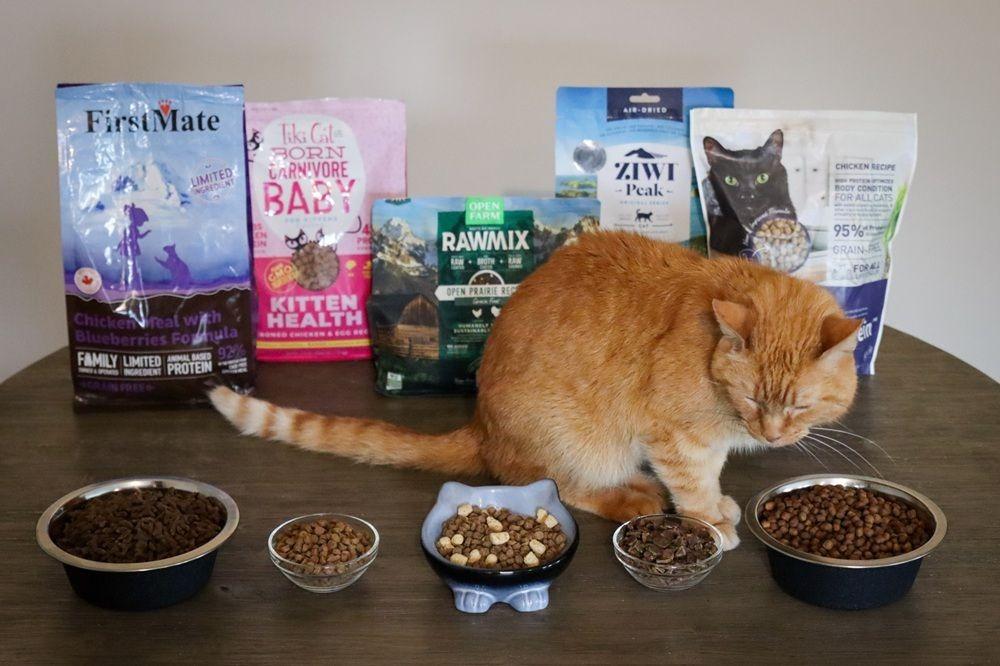
In the world of cat care, choosing the best dry cat food remains one of the most impactful decisions affecting your pet's health and daily life. The quality of dry cat food isn't just about satiety or taste; it extends to proper growth, digestive health, coat shine, and even the cat's long-term activity level. With so many brands on the market, owners can be confused about making the right choice, especially when looking for dry cat food that combines nutritional value with a balance appropriate for their cat's age and needs.
In this article you will find a comprehensive guide explaining how to choose the right dry food, the highest quality types currently available, the ingredients to pay attention to, with practical tips to help you make an informed decision that maintains your cat's health and improves its feeding routine.
What is dry food for cats?
Dry food is defined as a low-moisture food specifically formulated to meet the nutritional needs of cats through solid pellets that are easy to feed and store. It is based on a combination of animal proteins, fats, and vitamins to provide a balanced diet that helps cats maintain their daily activity and health.
How to make dry cat food
The manufacturing process of dry cat food involves careful steps aimed at ensuring the nutritional quality of the granules.
Mixing the basic ingredients
A mixture of animal protein (such as chicken or fish) is prepared with carbohydrates, fats, minerals, fiber, and vitamins in specific proportions that correspond to the needs of cats.
Extrusion and granulation stage
The dough enters the extruder where it is subjected to high pressure and heat to turn into the familiar granules, then it is cut into different sizes according to the age group.
Drying and adding exterior paint
The pellets are dried to remove excess moisture, then coated with a layer of natural fats or flavorings to enhance palatability and make the food easier to digest and more appealing to cats.
What is the difference between dry food and wet food?
Cat food types vary according to their moisture level and practical value.
Humidity level
Wet food contains 60–80% moisture, while dry food contains only 8–12%, making the former suitable for hydration and the latter more practical for daily serving.
Nutritional value and uses of each type
Dry food is more nutrient-dense, while wet food provides a natural flavor closer to real meat and is a good option for cats who have difficulty chewing or a low appetite.
Easy to store and use
Dry food has the advantage of being able to be stored for longer periods without spoiling, while wet food needs to be consumed more quickly after opening, making it less suitable for frequent use during the day.
Read also: The best types of parrots with a comprehensive comparison between the most popular breeds
Why should you look for the best dry food for cats?
Cat owners seek the best dry food for their cats because food quality is the cornerstone of a cat's health and well-being. The right choice not only provides a daily meal but also supports healthy growth, maintains muscle mass, and gives the animal a consistent energy level.
The impact of food quality on growth and energy
The quality of dry food ingredients is directly reflected in the cat's development and overall health.
Muscle building support
Good animal protein helps the cat to develop and maintain strong muscles, especially during growth or high activity phases.
Improving daily energy levels
Healthy fats and the right proportions of carbohydrates give the cat a steady energy level, helping it to play, move, and interact without lethargy or fatigue.
Boosting immunity
Essential vitamins and minerals such as vitamin E and zinc contribute to strengthening the immune system and supporting the cat's ability to resist diseases.
Potential risks when choosing unsuitable food
Choosing low-quality dry food can lead to health problems that do not appear immediately, but worsen over time.
Poor digestion and the appearance of intestinal problems
Relying on poor protein sources or large quantities of grains may cause digestive problems such as gas or diarrhea.
weight gain and obesity
Foods high in starches or calories with no nutritional value may cause a cat to gain weight unhealthily, increasing the risk of joint and heart disease.
Hair loss and thinning fur
A deficiency in essential fatty acids and vitamins leads to dry skin, loss of fur shine, and noticeable hair loss.
Long-term weakened immunity
An imbalance of nutrients reduces the body's ability to resist disease, especially in young or elderly cats.
Benefits of dry cat food
Dry cat food offers a range of advantages that make it a practical and effective choice for many cat owners, especially when choosing the right formula that provides the cat's daily needs without excess or deficiency. These benefits stem from a well-thought-out manufacturing process that gives the kibble a suitable nutritional balance and ease of use.
Easy to use and store
Dry feed is considered one of the most convenient options for breeders.
Easy meal serving
The pellets can be left for longer periods without spoiling, allowing for meal scheduling or providing sufficient food when the breeder is away for a short time.
Long-term storage
Thanks to the low humidity, the packaging can be kept for longer periods without loss of quality, while maintaining flavor and texture when properly sealed.
Reduce mess while eating
Dry food does not leave sticky residue or strong odors, making cleaning food containers much easier.
Supporting dental health through friction
Solid granules play an important role in maintaining oral health in cats.
Reduce plaque and tartar buildup
The act of chewing helps to remove light deposits from teeth through friction, thus reducing gum problems.
Stimulating the jaw muscles
Regular chewing strengthens the jaw and improves the cat's ability to eat pellets of different sizes without stress.
Gum stimulation
The friction of the granules against the gum tissue stimulates blood flow and helps maintain its health.
Nutritional balance in high-quality formulations
When dry food is from a reliable source, it becomes an integral part of the diet.
Suitable protein ratio for growth
Good formulations provide animal protein that contributes to muscle building and supports the immune system.
Having a balanced amount of vitamins and minerals
Most high-quality varieties contain calculated proportions of essential vitamins such as A and E, in addition to minerals such as calcium and taurine, which are essential for heart and eye health.
Supports digestion thanks to beneficial fiber.
Fiber helps improve bowel movements and reduce digestive upset, giving the cat greater comfort after meals.
Read also: Milk for kittens and babies: Safe alternatives and feeding schedules for healthy growth
The disadvantages of dry food and the risks associated with it
Despite the widespread use of dry food and its adoption by many breeders, understanding its drawbacks is essential to ensure its correct use and avoid any potential negative effects. Some formulas may not be suitable for all cats, especially those requiring higher hydration or a low-carbohydrate diet.
Low hydration rate
Lack of moisture is one of the most significant disadvantages of dry food.
Its effect on the urinary system
Cats by nature do not consume large amounts of water, and with the low moisture content of dry food, the likelihood of dehydration or urinary tract problems may increase in some sensitive cats.
Increased need for external water
Serving dry food requires ensuring that clean, fresh water is available throughout the day, especially for cats who do not like to drink much.
Unsuitability for some health conditions
In some cases, such as urinary stones or kidney infections, dry food may not be the best option unless recommended by a veterinarian in a special formulation (Source: Veterinary Consultation).
High carbohydrate content in some products
Many commercial varieties contain high levels of carbohydrates.
Increased risk of obesity
Excess carbohydrates can cause rapid weight gain if they are not accounted for in the daily nutrition plan.
Negative impact on energy levels
High intake of low-quality carbohydrates leads to energy fluctuations, so the cat appears energetic for a short time and then lethargic afterwards.
Poor quality in cheap installations
Some low-quality varieties may rely on grains as a primary ingredient instead of animal protein, thus reducing the nutritional value of the food.
Loss of quality after opening the package
Even the best dry food can be affected after opening if it is not stored properly.
Damage to surface fats
The fatty layer covering the granules may oxidize when exposed to air, leading to a change in taste and reduced palatability.
Gradual loss of flavors
Over time, the natural scents that attract cats weaken, which may cause them to gradually refuse food.
Potential for moisture absorption
Exposure of the packaging to air may increase the moisture content of the granules, which affects digestion and accelerates product spoilage.
Read also: The best small dog breeds: A comprehensive guide to choosing the right breed for you
How to choose the best dry food for cats?
Choosing the best dry cat food isn't just about brand reputation; it's about understanding the ingredients, the quality of the formula, and how well it meets your cat's needs. Therefore, the right choice depends on analyzing the ingredient list, assessing the protein, fat, and carbohydrate content, and knowing the essential elements like taurine to determine the appropriate formula for your cat's age.
Read the ingredient list correctly
The list of ingredients is the first key to evaluating the quality of dry food.
The first ingredient must be animal protein.
The presence of chicken, salmon, or meat as a main ingredient is strong evidence of the quality of the formula, unlike products that start with grains or by-products.
Avoid food fillers
Ingredients such as white corn, wheat, or gluten are used to fill the pellets and not to feed the cats, and it is preferable to avoid the types that they rely on heavily.
Searching for natural ingredients
The more natural fats, added vitamins, and good fiber a product contains, the higher its nutritional value.
The percentage of animal protein and its role
Protein is the most important element in the diet of cats because they are carnivores by nature.
Supports muscle and tissue growth
A high protein content (usually 30% or more) ensures healthy muscle growth and better vitality.
The source of the protein is more important than the percentage.
Types that rely on plant proteins or meat meals of unknown origin may look good in proportions, but they are of lower nutritional value.
Improved immunity and energy
Animal protein, rich in amino acids, enhances a cat's ability to resist disease and improves activity levels.
Healthy fats and essential fatty acids
Fats play a pivotal role in skin health and daily energy.
Omega 3 and 6
The presence of salmon oil or chicken fat is an excellent indicator because it gives the cat a shiny fur and noticeably improves skin health.
Concentrated energy source
Fats provide a steady supply of calories that supports activity without sharp fluctuations.
The role of fats in vitamin absorption
Healthy fats help in the absorption of vitamins A, D and E, which are essential for eye and bone health.
Acceptable carbohydrate ratio
Carbohydrates are not essential for cats, but they can be beneficial within certain limits.
ideal ratio
It is preferable that it be less than 25–35% in good formulations.
Avoid added sugars
The presence of corn syrup or sugars is an indicator of poor quality.
Carbohydrates as a binding agent only
Starches are used to maintain the shape of the granules, but they should not be a staple food.
The presence of the two and its significance
Taurine is one of the most important elements that cats cannot produce efficiently.
Essential for heart health
Taurine deficiency can lead to serious heart problems.
Enhancing the vision
It supports the retina and protects against vision loss.
Commonly found in animal protein
However, it must be confirmed that it is present as an added ingredient to ensure a sufficient quantity.
Choosing the right formula for the age (Kitten – Adult – Senior)
The needs of cats vary according to the stage of their lives.
Kitten – Kittens
You need higher protein and more fat to support rapid growth and sustained energy.
Adult cats
You need a balance of protein and fat with low carbohydrates to maintain weight and overall health.
Senior – Elderly Cats
It needs fewer calories, more fiber to improve digestion, and ingredients that support joint health such as glucosamine (if the formula contains it).
The best dry food brands on the market (with advantages and feedback based on recent reviews)
Royal Canin – A wide and specialized selection
Royal Canin is a well-known brand and is often recommended by veterinarians in many animal market reviews.
Variety of formulations: We offer customized recipes based on the cat's age (Kitten, Adult, Senior) and condition (neutered, indoor cats, urinary or digestive problems). This variety makes it suitable for owners who want to tailor food to their cat's needs.
Good digestive support and support for special problems: some of its formulations are aimed at cats with a sensitive digestive system or those needing care for their urinary tract.
Note: Quality and results may vary depending on the specific formula (not all Royal Canin packs are the same), and some cats may reject the taste of certain formulas, so it is preferable to monitor the cat's response when switching.
When should you choose it? If you want flexible food that matches your cat's age or special health needs, with a desire for feeding under veterinary supervision or recommendation.
Suggested types:
- Royal Canin Mother & Baby Dry Cat Food
- Royal Canin Light Wet Dry Cat Food 3kg
- Royal Canin Hair & Skin Dry Cat Food
Hill's Science Diet – Nutritional Balance and Specialized Care
Hill's focuses on providing nutritionally balanced formulas suitable for cats with sensitive digestion or those living indoors.
Good ingredients for digestion and general health: The base ingredient often starts with chicken, and contains vitamins and fatty acids that support the skin, fur, and immunity, making it more like a healing prescription than just food.
Recommended for indoor or adult cats: Hill's "Indoor" or "Adult" formula is designed for cats that are not very active, helping to maintain a healthy weight and prevent obesity.
Note: Some formulations contain grains, which may not be suitable for all cats, especially sensitive ones, and attention should be paid to the ingredients list.
When should you choose it? If your cat is indoors (a cat's lifestyle is entirely or most of the time indoors), has a sensitive digestive system, or you want a balanced and safe formula for everyday cat use.
Suggested types:
- Hills Sterilized Dry Food for Spayed Cats with Chicken
- Hills dry food with chicken
- Hills Adult Cat Dry Food with Chicken
Josera – a “European” option with a clean formula
Josera is considered one of the European brands that offer reasonably good quality cat food, and is sometimes available in Arab markets.
Artificial additive-free options: Some Josera formulations are free of artificial colors, flavors, or preservatives, reducing the chances of stomach irritation or allergies.
Good for those who want a balance between quality and price: not a super "premium" but it provides acceptable nutrition if used carefully.
When should you choose it? If you want a clean formula at a mid-range price, or you are looking for a good alternative within an economical budget with acceptable quality.
Suggested types:
- Jusira dry food for kittens
- Josera Senior Dry Food for Senior Cats 2kg
- Josera Help Hypoallergenic Dry Food for Adult Cats 2kg
"Premium" or high-protein brands – such as Orijen and others
Orijen is one of the most famous "premium" brands: its formula is very rich in animal protein (chicken, turkey, fish...), and is often grain-free, making it closer to the natural diet of cats.
Clear advantages: high protein, low carbohydrate content, formula free of grains or cheap fillers, which may benefit active cats or those on a "carnivore" diet.
Note/Caution: The price is above average, and it may not be suitable for all cats (some cats may have sensitive digestion), so it is best used only if you know your cat's needs well.
When should you choose it? If you want a diet very close to the natural system, or your cat is very active, or you prefer the highest quality regardless of price.
Read also: The best cat litter with the ideal litter box for your cat's hygiene
Is it better to mix dry food and wet food?
Benefits of the mixed system
A mixed diet combining dry and wet food provides nutritional variety and the hydration cats need daily. This balance helps with:
- Improve urinary tract and kidney health by increasing water intake.
- Controlling appetite and weight, as wet food is less calorie-dense compared to dry food.
- Enriching the diet with amino acids and various nutrients found in each type.
The appropriate ratio between the two types
- Experts often start with an approximate ratio of 50% of calories from dry food and 50% from wet food, and this can be adjusted according to the cat's age, activity level, and health needs.
- It is important to accurately calculate calories to avoid overfeeding or deficiencies in essential nutrients.
How to present balanced meals
- Divided meals: Wet food is served in the morning, dry food during the day, and an evening meal of one of the two types as needed.
- Limited mixing: Small amounts of dry food can be mixed with wet food to encourage picky cats to eat wet food, with quick consumption to avoid spoilage of the mixture.
- Meal distribution: Dividing daily meals into 2-3 meals helps stabilize digestion and satiety.
Dry food granule shapes and the role of each shape
small round granules
- Suitable for kittens or short-jawed breeds.
- Easy to pick up and chew, and reduces the risk of choking.
large or complex granules
- It increases friction with the teeth, which helps to reduce the buildup of tartar and plaque.
- Suitable for adult cats with large mouths or cats that need more chewing stimulation.
Filled granules or granules of different densities
- It contains a soft center or is filled with meat/cream to increase food acceptance.
- It benefits selective cats or those who get bored quickly with one type of pellet.
Proper nutrition tips when using dry food
Measuring daily portions
- Use an accurate measuring cup or scale to determine the daily amount based on the cat's weight and activity level.
- Avoid leaving dry food out permanently if your cat is prone to obesity.
Hydration and water
Always provide clean, fresh water, and preferably use a water fountain to encourage cats to drink.
Storage and packaging
- Store dry food in its original packaging or an airtight container, away from light and moisture.
- Do not leave the package open for more than 6 weeks to avoid oxidation and loss of vitamins.
Gradually change the type of food
- When switching types or brands, gradually mix the new food with the old over a period of 7–10 days.
- This reduces digestive disturbances such as diarrhea or vomiting.
In conclusion
Now that you are familiar with the different types of dry food, how to choose the right ingredients, the benefits, the drawbacks, and the best brands available on the market, you are able to make an informed decision about the best dry food for cats that meets your cat’s health and nutritional needs, and provides it with a balanced diet that ensures its daily activity and vitality.
Try the high-quality dry food range from Seventh Bird now and give your cat a balanced and healthy diet.
ﻻ
Frequently asked questions about the best dry food for cats
Can cats live on dry food only?
Yes, this is possible if the dry food is complete, balanced and meets AAFCO standards , but it is preferable to combine it with wet food to compensate for the lack of moisture necessary for the health of the urinary tract and kidneys.
What is the appropriate amount of dry food I should give my cat daily?
The amount depends on the cat's weight, age, and activity level. Use the feeding chart on the package and measure the amount accurately. Consult your veterinarian to determine your daily caloric needs.
Is dry food harmful to cats' teeth?
On the contrary, the crunchy texture of some granules helps to scrape away tartar and plaque while chewing, which supports dental health, but it does not replace regular professional cleaning.
Should I buy "grain-free" dry food?
It's only necessary if your cat is allergic to grains (rare). The most important thing is that the protein is primarily animal-based and that it contains as little grain or cheap carbohydrates as possible.
What are the most important ingredients I should look for in dry food?
- A specific animal protein (such as chicken or tuna) as the first ingredient.
- Taurine is essential for heart and eye health.
- The lowest possible amount of carbohydrates and cheap fillings .
When should I change the type of dry food my cat eats?
- Age change : from Kitten to Adult or Senior.
- Health condition : When a therapeutic diet is needed (such as urinary tract or kidney problems).
- Food refusal or allergies : if the cat does not accept it.
- The food should be changed gradually over 7–10 days to avoid digestive upset.
Is eating too much dry food harmful to cats?
Yes, excessive consumption can cause weight gain, kidney and urinary tract problems, and digestive disorders. It is best to mix it with moist foods and monitor the daily intake.
What is the 3-3-3 rule for cats?
An informal rule to help control meals:
- 3 meals a day to distribute nutrition.
- 3 spoons or measuring units per meal depending on the size of the cat.
- 3 days of observation to monitor the cat's response before adjusting the quantity or type.